Electric Panel Installation: How to Read and Understand Your Electric Panel
Your electrical panel is the command center of your home, and understanding it can help you stay safer and make smarter decisions about electrical panel installation, upgrades, and repairs.
Most homeowners never open their panel box unless a breaker trips. But knowing what's inside can help you spot problems early, communicate better with a licensed electrician, and avoid unnecessary risks. This guide walks you through the basics in plain language.
What Is an Electrical Panel and What Does It Do?
Your electrical panel distributes power from the utility grid to every circuit in your home. It sits between the electricity entering your house and the outlets, lights, and appliances you use every day. Think of it as a traffic controller for electricity.
Inside the box you'll find a main breaker at the top, a series of individual circuit breakers below it, and labels identifying what each breaker controls. The main breaker controls all power coming into the panel. If something goes seriously wrong, you can flip it to cut all power immediately.
How to Read the Breaker Labels
Breaker labels tell you which circuit powers which area or appliance. Common labels include "Kitchen Outlets," "Washer," "Master Bedroom," and "HVAC."
Here's what to look for on each breaker:
- A single breaker usually controls one standard 120-volt circuit, such as a bedroom or bathroom.
- A double breaker (two switches linked together) typically powers a 240-volt circuit for large appliances like a dryer, range, or air conditioner.
- The number on the breaker indicates its amperage rating, which is how much electrical load that circuit can safely carry.
- A tripped breaker sits in the middle position, between ON and OFF, and can be reset by pushing it fully to OFF first, then back to ON.
If your labels are blank, faded, or inaccurate, that is worth addressing. Unlabeled breakers can make troubleshooting much harder and slow down any emergency response.
What Is Amperage and Why Does It Matter?
Amperage measures the capacity of your electrical system. Most modern homes in the U.S. are wired for either 100-amp, 150-amp, or 200-amp service. Older homes, including many built before the 1980s, may still have 60-amp panels, which were not designed to handle today's appliances, home offices, or EV chargers.
You can usually find your home's total amperage rating printed on the main breaker at the top of the panel. If that number is 100 or below and you are running a modern household, you may be approaching the limits of your system. An electric panel installation or upgrade to 200-amp service is often the right solution for homes with growing electrical demands.
In Lincoln, CA, where summer temperatures can push air conditioning usage for weeks at a time, undersized panels can struggle to keep up. Homes in established Lincoln neighborhoods like Downtown Lincoln, Old Town, or the areas near G Street often fall into this older-panel category. If you are in one of these neighborhoods and have never had a professional assess your setup, it may be worth asking a licensed electrician whether electric panel installation is the right next step.
Older and Problematic Panels to Know About
Not all panels are created equal. Some older models are known to carry safety risks and may be flagged during a home inspection or insurance review.
A few panel types and warning signs worth knowing:
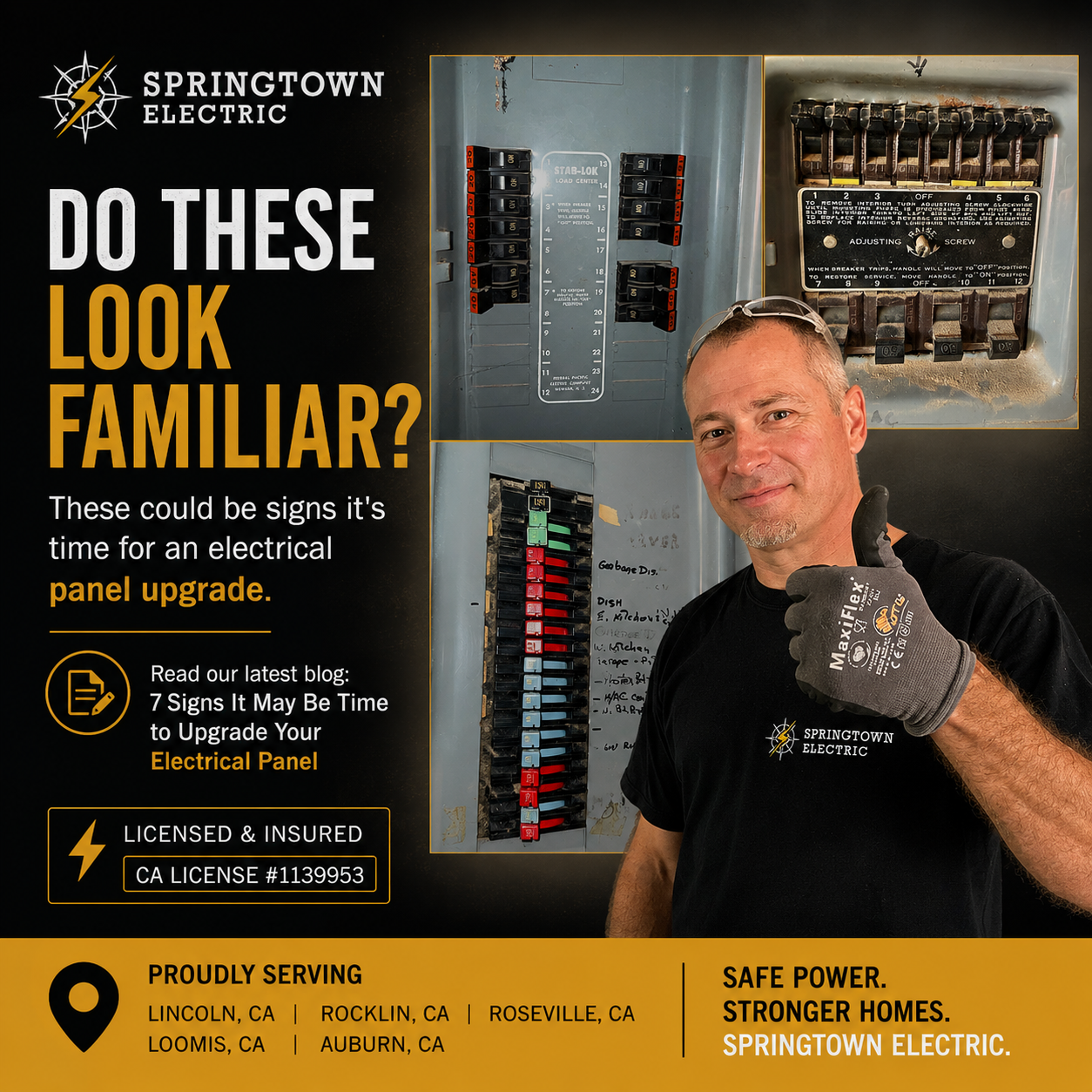
- Federal Pacific Electric (FPE) panels, commonly found in homes built between the 1950s and 1980s, have a documented history of breaker failure.
- Zinsco panels, also from that era, can experience similar issues with breakers that fail to trip during an overload.
- A panel that feels warm to the touch, emits a buzzing or crackling sound, or shows signs of rust or scorching may indicate a serious problem.
- A panel with double-tapped breakers (two wires connected to one breaker terminal) may indicate the system has been modified improperly over time.
If you spot any of these issues, it may be time to have a licensed electrician evaluate your setup before they become a fire or safety hazard.
What Homeowners Can Safely Do Themselves
There are a few things you can reasonably handle on your own without touching any wiring. Resetting a tripped breaker is one of them. Updating your breaker directory (the label sheet inside the panel door) is another. You can also note unusual sounds, smells, or heat near the panel and report them to a professional.
What you should not do is open the panel cover, touch the wiring, or attempt any repairs. Even when the main breaker is off, parts of the panel remain energized and dangerous. Electric panel installation, replacement, and any internal work always require a licensed electrician and, in California, proper permits.
How Do I Know if My Panel Needs an Upgrade?
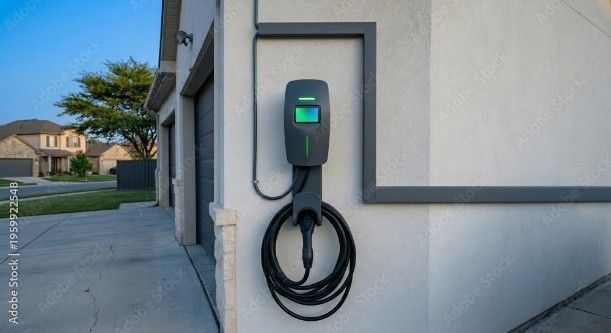
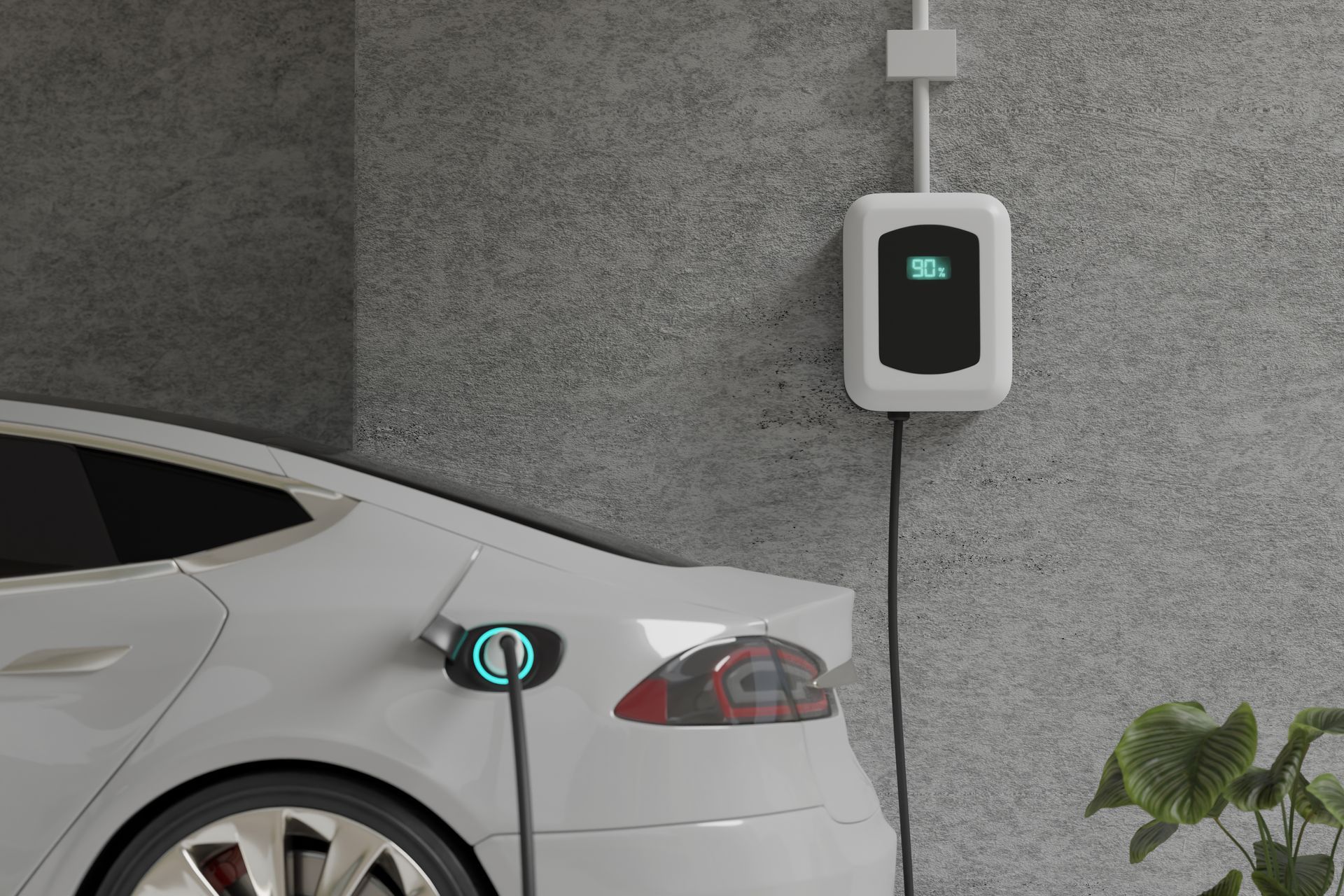
Your panel may need an upgrade if it's under 100 amps, frequently trips under normal use, has no room for additional circuits, or is one of the older problem brands mentioned above. Adding an EV charger, a home addition, or a new HVAC system almost always requires evaluating your current panel capacity first.
Does Electrical Panel Work Require a Permit in California?
Yes. In California, electric panel installation and replacement require a permit and inspection through your local building department. This protects you as a homeowner and ensures the work meets current California Electrical Code standards.
Ready to Get a Professional Eye on Your Panel?
If anything in this guide raised questions about your own setup, a professional panel inspection is the smartest next step. Serving Lincoln, CA, Springtown Electric offers honest, licensed electrical service for homeowners who want clear answers without the runaround. Call us to schedule an inspection, or contact us online to request a quote today.